We find the leak, fix it, and test the line before we leave.
Slab Leak Detection Baton Rouge LA Done Right
Slab leak detection baton rouge LA homeowners can count on starts with pinpoint accuracy, not guesswork. If your water bill spiked, a hot spot is creeping across the floor, or you hear water running with every fixture off, we bring acoustic listening gear, thermal imaging, and pressure gauges to find the break under your foundation. Licensed Louisiana plumbers, 24/7 response, and a written flat rate before we cut anything.
Live dispatcherUpfront optionsBacked workmanship
What's included
What Our Slab Leak Service Includes
Every slab leak job starts with detection and ends with a tested repair. Here is what is covered in a standard visit, and what we quote separately once we see the layout. You approve both numbers before any concrete is cut.
Hot and Cold Isolation
We shut the main and pressurize each system separately with a pressure gauge to identify which line is leaking. This 15 to 20 minute step keeps us from cutting in the wrong place, and it is included in every detection visit.
Acoustic and Thermal Detection
Acoustic microphones and thermal imaging locate the break and we mark it on the floor with tape. Detection runs 60 to 90 minutes on a typical Baton Rouge slab and is included in the flat detection price you get on the phone.
Small Access Point Cut
We open one access point, usually 12 by 12 inches, with a concrete saw and chipping hammer. That is standard on a spot repair. Larger cuts or tile removal are quoted separately once we see the floor finish.
Copper or PEX Repair
The failed section comes out with a pipe cutter and gets rebuilt in copper pipe or PEX tubing with new fittings, solder, and Teflon tape. Repair time runs two to four hours depending on depth and how the line is routed.
Pressure Test and Backfill
We pressure-test the new section at working pressure for 30 minutes, then backfill and patch the concrete. You get the test result and a written warranty on the repair before we pull out of your driveway.
Service overview
Slab Leak Detection Baton Rouge LA, Explained
Slab leak detection baton rouge LA is the process of locating a pressurized water line failure beneath a concrete foundation without tearing up the whole floor. We isolate the hot and cold systems, pressurize each one with a gauge, then listen through the slab with acoustic microphones and scan with thermal imaging until we hear or see the break. Once we know the exact spot, we open a small access point, cut out the failed section with a pipe cutter, and rebuild it in copper or PEX tubing.
Baton Rouge homes sit on expansive clay soil that swells after summer storms and shrinks in dry stretches, and that movement grinds against older copper pipe until it cracks. Add 40-plus-year-old subdivisions in Broadmoor and Sherwood Forest, and under slab plumbing repair baton rouge LA becomes a weekly call. If you have been searching slab leak detection near me baton rouge LA, the signs are usually a jumping water bill, warm spots on tile, or the sound of running water at 2 a.m.

How we workWe verify the cause, compare realistic options, and confirm the repair before we leave.
The service timeline
What to Expect From Start to Finish
The process flexes to the condition, but these checkpoints keep decisions clear.
Call and Triage
You call, we ask three questions: water bill spike, warm floor spot, or meter spinning with everything off. That tells us whether to treat it as an emergency or schedule a detection window. We give you a flat detection price on the phone and a two-hour arrival window, day or night.
System Isolation
On site, we shut the main and isolate the hot and cold systems. A pressure gauge goes on each line and we watch for drop-off. Fifteen to twenty minutes of isolation tells us which side of the system is leaking and roughly how fast, so we are not chasing the wrong pipe.
Acoustic and Thermal Detection
We pressurize the suspect line and walk the slab with acoustic microphones, then scan with thermal imaging to catch the temperature signature of a hot-water leak. We mark the break on the floor with tape. Detection usually takes 60 to 90 minutes on a typical Baton Rouge slab.
Access and Repair
We cut a small access point, usually 12 by 12 inches, with a concrete saw and chipping hammer. The failed section comes out with a pipe cutter, and we rebuild it in copper pipe or PEX tubing with new fittings and solder. Repair runs two to four hours depending on depth and layout.
Pressure Test and Cleanup
Before we leave, the new section gets a pressure test at working pressure for 30 minutes. We backfill, patch the concrete, and clean the work area. You get a written warranty on the repair and a short list of what to watch for over the next two weeks.
Tools & methods
Tools and Methods We Use
Purpose-built equipment, used by trained technicians, so the job is done accurately the first time.
Acoustic Listening Microphones
We pressurize the suspect line and listen through the slab for the hiss of escaping water. This is the fastest way to narrow a leak to a two-foot area before we cut.
Thermal Imaging Camera
Hot-water leaks leave a temperature signature on the slab surface. Thermal scanning shows us the warm trail and confirms the acoustic findings, especially on tile and vinyl floors.
Pressure Gauge and Isolation Valves
We isolate hot and cold systems and watch the gauge for drop-off. A line that loses pressure with everything closed is the leaking line, which keeps us from cutting in the wrong spot.
Pipe Cutter and Soldering Torch
The failed section comes out clean with a pipe cutter, and copper repairs are soldered with a torch for a code-correct joint. PEX repairs use crimp fittings instead.
RIDGID and Milwaukee Cutting Gear
Concrete saws, chipping hammers, and inspection cameras from RIDGID and Milwaukee hold up to daily field use. Calibrated gear means fewer false readings and smaller access points.
Use cases
When to Call for Slab Leak Help
These examples show how the service framework adapts rather than forcing every call through one repair.
Garden District Reroute Saves Original Tile
A Garden District homeowner had a hot-water leak under original 1940s tile in the kitchen. Cutting the tile would have meant matching a discontinued pattern across half the room. The leak had already loosened two tiles near the sink. → We rerouted the line overhead in PEX tubing through the attic and down a wall chase, abandoning the failed under-slab section. No tile was cut. The repair passed a 30-minute pressure test, and the two loose tiles were re-set by a flooring contractor we referred.
Sherwood Forest Third Leak, Full Repipe
A Sherwood Forest family had two slab leaks repaired in three years on the same 1978 copper system. A third leak appeared under the master bedroom, and the water bill hit $340. The pattern pointed to a system at the end of its life. → We quoted a spot repair and a full overhead repipe side by side. They chose the repipe. The whole house was converted to PEX tubing in two days, the under-slab lines were abandoned, and the third leak was eliminated without cutting the bedroom floor.
Problems we solve
Problems We Solve Before They Get Worse
A slab leak is rarely the only problem in the house by the time someone calls. Here are the situations we walk into most often in Baton Rouge, and what we do about each one.
Water bill doubled with no change in use
We isolate the lines, find the break with acoustic and thermal gear, and repair the section the same visit in most cases. You get a flat price before we cut and a pressure test before we backfill.
Warm spot on the floor that keeps growing
Thermal imaging confirms the hot-side break in minutes. We open one small access point, rebuild the line in copper or PEX, and pressure-test it. Most customers keep their existing flooring outside the patch.
Sound of running water with every fixture off
We treat it as an emergency, arrive with detection gear, and shut the line down if needed to stop the loss. Detection and repair usually close in one day, and we check the surrounding slab for moisture before we leave.
Cracks in drywall and sticking doors near the floor
We fix the pipe first, because the soil will keep moving until the water stops. Then we check moisture readings around the slab and tell you plainly whether a foundation contractor needs to look at it.
Pricing process
What Slab Leak Work Costs
$400 - $4,500 depending on detection, access, and repair scope
Access depth and location
A leak under a closet floor is a quick cut. A leak under a tiled kitchen or a load-bearing wall takes more time, more concrete work, and sometimes a reroute. Depth and what sits above the pipe drive most of the price difference.
Pipe material and condition
Copper repairs need soldering and careful joint work. PEX repairs use crimp fittings and go faster. If the surrounding pipe is thin and pitted, we quote a longer replacement section so you are not back in six months.
Spot repair vs. overhead reroute
A reroute through the attic or walls costs more in labor and materials but saves your flooring and ends the under-slab problem for good. We quote both and let you compare the numbers side by side.
How do I know if I have a slab leak in Baton Rouge LA?
The three reliable signs are a water bill that jumps 30 percent or more with no change in use, a warm or hot spot on a tile or vinyl floor, and the sound of running water when every fixture is off. Check your meter: if the dial spins with the main open and nothing running, you have a leak. Damp carpet edges and cracks in drywall near the floor are later signs.
How much does slab leak repair cost in Baton Rouge Louisiana?
Typical 2026 pricing in this area runs $400 to $900 for detection plus a standard under-slab repair, and $1,500 to $4,500 when the leak sits under tile, a cabinet, or a long run that needs rerouting. Access depth, floor finish, and pipe material drive the number. You get a flat price before we cut, and we tell you if a reroute beats a spot repair.
Can you fix a slab leak without breaking the floor in Baton Rouge?
Sometimes, yes. If the line can be rerouted through the attic or walls, we abandon the failed section under the slab and run new PEX tubing overhead with no concrete cutting at all. That route costs more in labor but saves your flooring. When a spot repair is the better call, we open one small access point, usually 12 by 12 inches, instead of trenching.
Who do I call for a slab leak in Baton Rouge LA?
Call a licensed Louisiana plumber who owns detection equipment, not a general handyman. Ask whether they isolate hot and cold lines and pressure-test before cutting. We answer 24/7 at +1 866-605-0268, serve East Baton Rouge County and ZIP codes 70808, 70809, and 70802, and give you a flat detection price on the phone before we roll.
Related services
Related Services
24/7 Emergency Plumber
A slab leak at 2 a.m. is an emergency call. Our night crew arrives with detection gear already loaded, isolates the line, and stops the water loss before it spreads under more of your foundation. Same dispatch number, same flat detection pricing, any hour.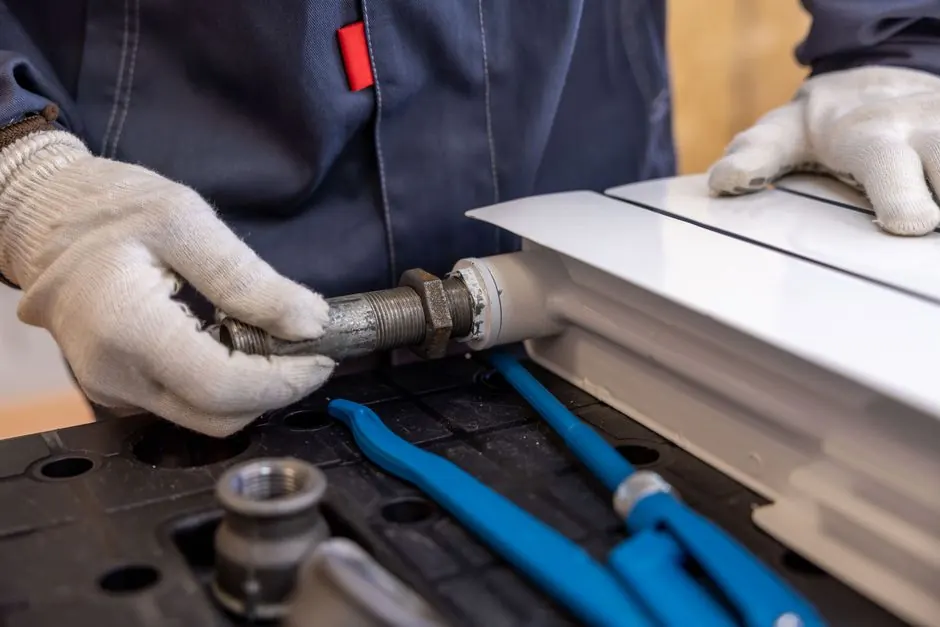
Burst Pipe Repair
A burst pipe and a slab leak often start the same way: pressure stress on old copper. We repair the burst section, then pressure-test the rest of the line so you are not calling us back next month for the same wall. Copper and PEX repairs, warrantied.Water Leak Detection and Repair
Slab leaks are one kind of hidden leak. We also track leaks behind walls, under cabinets, and at hose bibs using acoustic listening and thermal imaging. If the meter spins but the slab is dry, this is the service that finds it.Ready when you are
Get Slab Leak Detection Baton Rouge LA Today
One call gets a licensed Louisiana plumber to your door with detection gear, a flat detection price, and a repair plan you approve before we cut. We answer 24/7 at +1 866-605-0268 and serve ZIP codes 70808, 70809, 70802, and 70836.
Talk with the local team
Request Slab Leak Detection and Repair
Call us anytime at +1 866-605-0268 for emergency service. We answer live 24/7 and typically arrive within 60 minutes for urgent calls in Baton Rouge. You can also email us at info@pipedreamrooter&plumbinginc..com for non-emergency inquiries. We're here to help.